By Dr. Neha Yadav, MD Dermatologist
Do you constantly brush white flakes off your shoulders? Does your scalp itch so much that it distracts you during work, school, or social events? If yes, you’re not alone—and you’re definitely not helpless.
What we casually call dandruff is often a medical condition known as Seborrheic Dermatitis, and the good news is:
With the right understanding and routine, it can be easily controlled.
As a dermatologist, I meet countless patients who struggle with this persistent, embarrassing, and sometimes confusing problem. So in this blog, I’ll break down everything you need to know—no jargon, just clear answers and practical steps you can start using today.
What Really Causes Dandruff? (Myths vs Reality)
Most people believe dandruff comes from a dry scalp.
But in reality, the opposite is true.
Dandruff is actually an oily scalp condition caused by three major factors:
1. Excess Oil Production (The Real Trigger)
Your scalp produces natural oil called sebum. When sebum increases, it becomes food for microorganisms living on the scalp.
Why does the scalp get oily?
- Genetics– Some people naturally produce more oil.
- Hormonal changes– Puberty, stress, postpartum, or even infants due to maternal hormones.
- Lifestyle factors– High-sugar diets, oily foods, anabolic steroids (common in bodybuilding), and poor scalp hygiene.
More oil = more irritation = more dandruff.
2. Fungal Overgrowth (Malassezia)
A fungus called Malassezia lives on everyone’s scalp—completely normal.
But when there’s too much oil, it multiplies rapidly.
This irritates the scalp, increases skin cell turnover, and causes:
✔ White flakes
✔ Itching
✔ Redness
3. Scalp Barrier Damage
Your scalp has a protective barrier. When it gets damaged, inflammation begins.
Common causes:
- Frequent straightening or curling
- Hair coloring / chemical treatments
- Harsh styling products
- Stress and poor diet
- Overwashing or underwashing
A weak barrier = more irritation = stubborn dandruff.
Rare but important:
If dandruff is severe, persistent, and unresponsive to treatment, consult a dermatologist to rule out internal issues like nutritional deficiencies or immune-related conditions.
What Does Dandruff Actually Look Like? (It’s Not Always the Same)
You may notice any of the following:
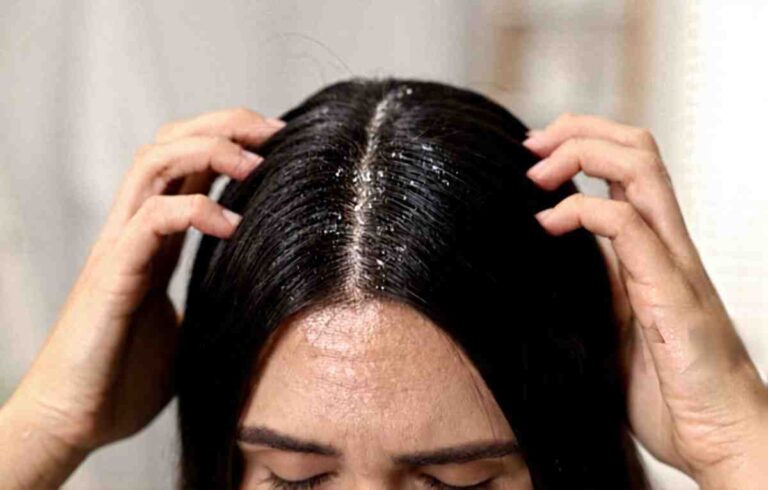
✔ Powdery dandruff: Loose white flakes—classic appearance.
✔ Sticky / greasy dandruff:Yellowish flakes that cling to the scalp.
✔ Patchy dandruff: Red, scaly, inflamed patches—more severe form.
And it’s not limited to the scalp. Seborrheic Dermatitis may also appear on:
- Eyebrows
- Eyelids (blepharitis)
- Sides of nose
- Beard
- Behind ears
- Chest
How to Treat Dandruff Effectively? The 3-Step Dermatologist Plan.
Dandruff isn’t treated in one wash. But with a consistent routine, you’ll see results in 2–3 weeks.
Step 1: Build Healthy Hair Habits
✔ Wash your hair regularly
Alternate-day washing works for most people.
Severe dandruff? Wash daily until it calms down.
✔ Stop applying hair oils on the scalp
This is crucial.
Your scalp is already oily—adding coconut or olive oil makes the fungus grow faster.
If you love applying oil:
→ Apply only 2–3 drops
→ Use it on hair strands only, never on the scalp
Step 2: Use the Right Anti-Dandruff Shampoo
Look for active ingredients that control fungus and inflammation:

For mild dandruff (OTC options):
- Ketoconazole 2%
- Zinc Pyrithione
- Selenium Sulfide 1%
- Ciclopirox 1%
For stubborn dandruff (prescription strength):
Your dermatologist may recommend:
- Luliconazole-based shampoos
- Combination antifungal + anti-inflammatory shampoos
These are safe for long-term use.
Step 3: The Correct Shampoo Technique (Most People Get This Wrong!)
Anti-dandruff shampoos aren’t “wash and rinse” products.
Here’s the right way:
Apply shampoo to wet scalp and massage gently. Leave for 5–10 minutes then Rinse thoroughly
This ensures the active ingredients actually work.
How Long Do I Need to Continue?
This is one of the most asked questions.
The truth:
- Dandruff is a chronic condition.
- There is no “once and for all” cure.
- But it can be controlled beautifully with a simple routine.
Treatment roadmap:
- Start:Daily or alternate-day anti-dandruff shampoo
- After improvement:Reduce to twice a week
- Maintenance:Use whenever you feel the flakes returning
Think of it like skincare—consistent care keeps the issue away.
Home Remedies: What Works & What Makes It Worse
Some natural remedies offer mild benefits. But many popular DIY trends do more harm than good.
Home Remedies That Can Help (Optional Add-Ons)
Use these only as supplementary care:
- Apple Cider Vinegar Rinse (1:1 diluted): Reduces inflammation & balances scalp pH.
- Tea Tree Oil (3–4 drops in shampoo: Proven antifungal & anti-inflammatory.
- Green Tea Rinse: Soothes irritation and reduces redness.
These remedies are supportive—not a replacement for medical treatment.
Remedies to Avoid: They Will Worsen Your Dandruff
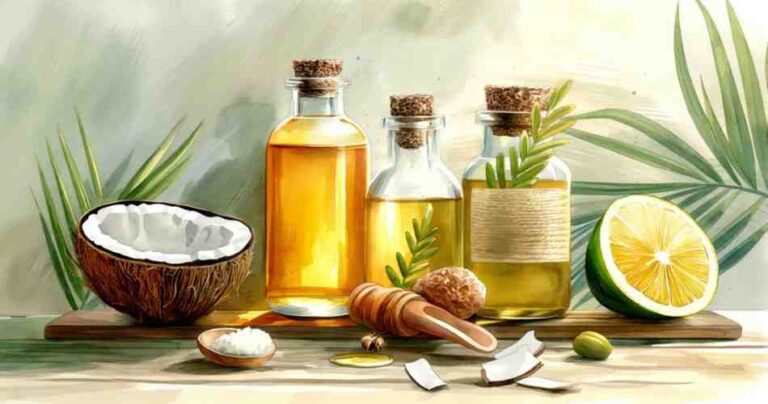
- Coconut Oil
- Olive Oil
- Castor Oil
All of these feed the fungus and increase dandruff. Avoid applying any heavy oil directly to the scalp.
Key Takeaways (Quick Summary)
✔ Dandruff is caused by excess oil, not dryness.
✔ Fungus + inflammation = flakes, itching, redness.
✔ Anti-dandruff shampoos are safe and effective when used correctly.
✔ The condition is chronic—control, not cure, is the aim.
✔ Home remedies can help, but some (like coconut oil) make things worse.
✔ If your dandruff is very severe or persistent, a dermatologist must evaluate it.
Final Words from Dr. Neha Yadav
Dandruff can be frustrating, embarrassing, and stubborn…but it is absolutely manageable with the right routine.
Understanding the problem is the first step—now you’re already ahead.
If you have questions or want personalized advice, feel free to drop them in the comments below. I’m here to help you achieve a healthy, flake-free scalp!