

Dermal Fillers: Myths vs Facts – The Real Truth About Natural-Looking Results
By Dr. Neha Yadav, MD & DNB Dermatologist
Understanding the Fear Behind Fillers
When most people think about dermal fillers, they imagine overfilled lips, puffy cheeks, and an unnatural “plastic” look. Social media and celebrity trends have created a strong fear that fillers automatically change your face or make you look fake.
But the truth is very different.
When done correctly, dermal fillers are medical, science-backed treatments designed to restore lost volume, support facial structure, and maintain natural youthfulness — not to create an artificial appearance. Modern filler treatments focus on subtle enhancement, balance, and facial harmony.
If you’ve been curious about fillers but hesitant due to common myths, this guide will help you understand the real science behind dermal fillers, how they work, and when they can genuinely benefit your skin.
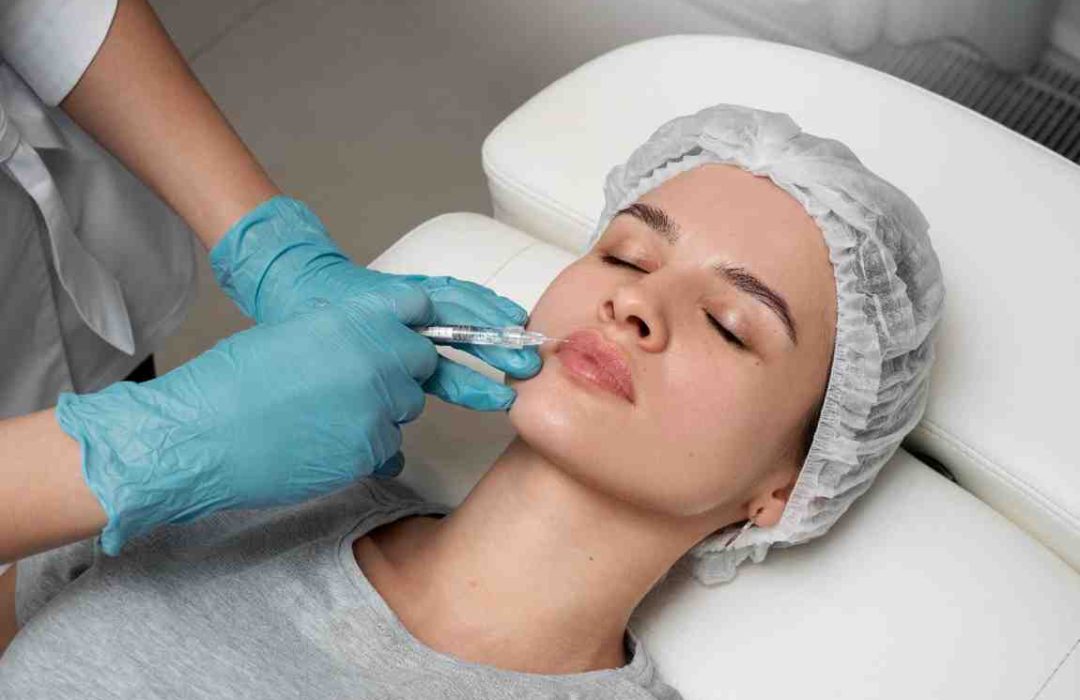
What Are Dermal Fillers, Really?
Dermal fillers are hyaluronic acid-based injectable treatments that restore volume, hydration, and structural support to the face.
Hyaluronic acid is a natural substance already present in our skin. It plays a key role in:
- Keeping the skin hydrated
- Maintaining firmness and elasticity
- Supporting youthful facial contours
After the age of 25–30 years, our body’s natural production of hyaluronic acid gradually declines. This leads to:
- Volume loss
- Fine lines and wrinkles
- Hollow under-eyes
- Sagging cheeks
- Loss of facial definition
By carefully injecting medically approved fillers, dermatologists can replace what the skin naturally loses with age, resulting in a refreshed, natural, and healthy appearance.
Why Does Our Face Age? Understanding the 4 Layers of Facial Aging
Facial aging does not happen only on the skin surface. It involves changes in four deep anatomical layers:
1. Skin Layer
With age, levels of collagen, elastin, and hyaluronic acid decrease, leading to:
- Fine lines
- Wrinkles
- Dull, dehydrated skin
2. Fat Pads
Facial fat pads begin to:
- Shrink
- Shift downward
This causes hollowness, drooping cheeks, and deep folds.
3. Muscles and Ligaments
The face has retaining ligaments that hold muscles in position. Over time, these ligaments loosen, resulting in:
- Sagging skin
- Deep nasolabial folds
- Jowls
4. Bone Structure
Even facial bones undergo age-related resorption, especially around:
- Eyes
- Jawline
- Chin
This contributes to sunken eyes, loss of jawline definition, and facial sagging.
Dermal fillers address these deeper structural changes, not just surface wrinkles.
How Dermal Fillers Restore Youth Naturally
When injected by a trained dermatologist, fillers work by:
- Restoring lost bone support
- Replacing volume in sunken areas
- Lifting sagging tissues
- Improving facial symmetry and proportions
Key Benefits of Dermal Fillers:
- Restore youthful contours
- Reduce deep folds and wrinkles
- Improve skin hydration and glow
- Enhance facial balance
- Provide subtle, natural-looking results
Why One Filler Does NOT Fit All: Importance of Filler Selection
Every face is unique. Different areas of the face require different types of fillers based on their:
Types of Fillers Based on Facial Areas:
High G-prime fillers → Used for bone support (chin, jawline, cheeks)
Soft fillers → Used in mobile areas (under eyes, smile lines, lips)
Correct filler selection ensures natural movement, smooth contours, and long-lasting results.
- Thickness
- Elasticity (G-prime)
- Cohesiveness
- Cross-linking strength
Why Injecting Only the Wrinkle Doesn’t Work
Many patients ask:
“Can’t you just fill my smile lines directly?”
Not exactly.
Facial aging happens due to overall descent of facial tissues. Without restoring structural support from the sides and deeper layers, simply filling wrinkles may lead to bulky or unnatural results.
Proper treatment focuses on facial lifting and support, allowing wrinkles to soften naturally.
How Fillers Improve Facial Balance and Proportions
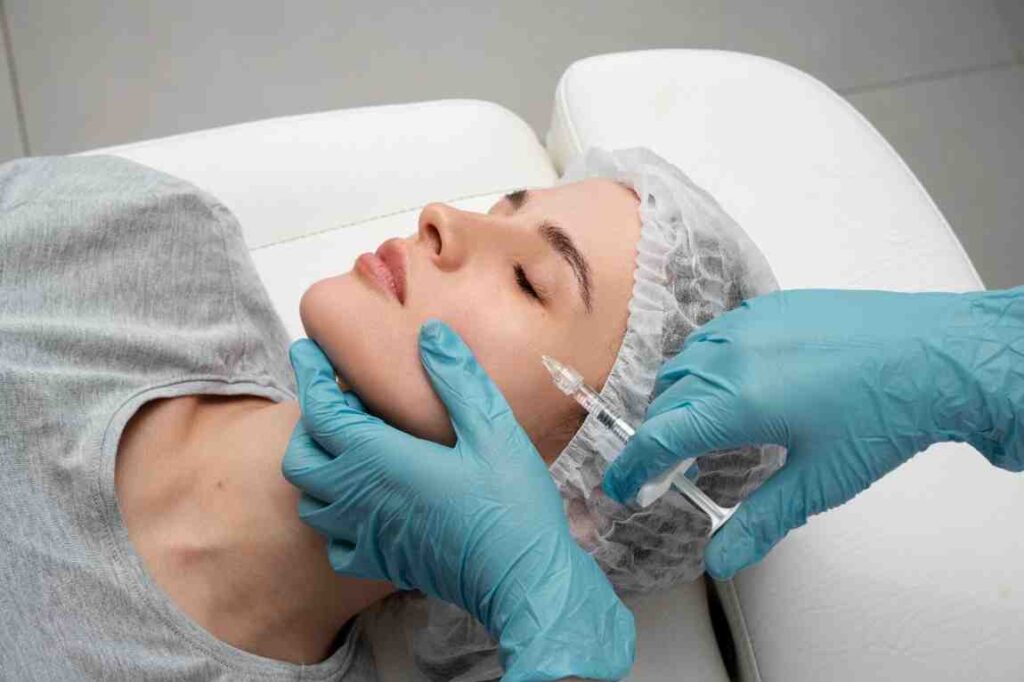
Anatomically, the face is divided into three equal parts:
- Upper third
- Middle third
- Lower third
Balanced proportions make the face look youthful and harmonious. Fillers can help:
- Improve side profile
- Restore facial symmetry
- Enhance chin projection
- Define jawline
- Contour cheeks naturally
Common Cosmetic Uses of Dermal Fillers
Fillers are not only for anti-aging. They are also used for facial enhancement, such as:
- Cheek contouring
- Lip shaping and volume
- Chin projection
- Jawline definition
- Tear trough (under-eye hollow) correction
When done conservatively, results remain fresh, subtle, and natural.
Fillers vs Botox: What’s the Difference?
Though often confused, Botox and fillers are completely different treatments.
Botox | Dermal Fillers |
Relaxes muscles | Restores volume |
Treats expression lines | Treats volume loss |
Smoothens dynamic wrinkles | Supports facial structure |
