What is perioral pigmentation and how to treat it?
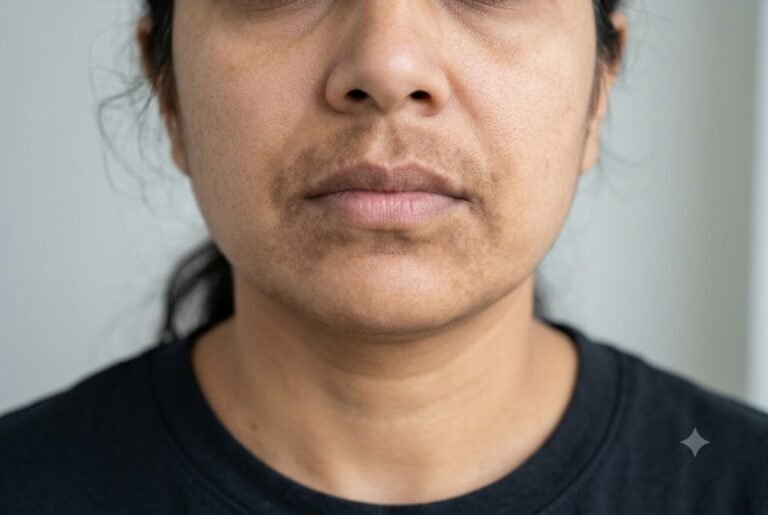
Perioral pigmentation is darkening of the skin around the lips, caused by excess melanin deposition. Because the area is delicate and prone to irritation, it can darken easily and often resists ordinary skincare.
Common Causes of Dark Skin Around the Mouth
Nutritional and Hormonal Factors
- Vitamin B12 deficiency:This can increase melanin production, especially around the mouth and on the knuckles.
- Hormonal and metabolic conditions:PCOS, thyroid imbalance, insulin resistance, and acanthosis nigricans can all stimulate pigment cells.
Genetics and Skin Type
People with naturally darker skin tones often have slightly deeper pigmentation around the mouth. A family history of similar pigmentation also raises your likelihood.
Skin Conditions and Inflammation
- Perioral dermatitis:This causes small red bumps around the mouth. Many people treat it with steroid creams, which can worsen pigmentation over time.
- Eczema and atopic dermatitis:These can look similar to perioral dermatitis and leave dark marks after inflammation.
- Saliva drooling:Constant moisture creates chronic inflammation, which can lead to long-term darkening.
Lifestyle Habits
- Smoking:It increases melanocyte-stimulating hormone activity, a common cause of pigmentation around the lips.
- Long-wear lipsticks:Bright, matte, and non-transfer formulas can irritate the lips and the skin around them, causing dryness and darkening.
How to Treat Perioral Pigmentation: 3 Key Pillars
1. Prevention
- Quit smoking, which can noticeably improve pigmentation.
- Switch from matte, long-wear lipsticks to a simple lip balm or moisturizing lip tint.
- Maintain good oral hygiene, and address dental issues if drooling is a concern.
- Use sunscreen daily to prevent existing pigmentation from deepening and new spots from forming.
2. Correction
Treating the root cause is essential. Your dermatologist may recommend testing:
- Vitamin B12
- Thyroid hormone levels
- Blood sugar and insulin
Correcting any deficiency or imbalance can improve pigmentation significantly.
Treatment perioral dermatitis
Skincare adjustments: If you have perioral dermatitis, stop applying steroid creams (under your doctor's guidance) and focus on moisturizing and sun protection to rebuild your skin barrier.
Depigmenting creams: The skin around the mouth is sensitive, so harsh formulations should be avoided. Mild concentrations of the following are generally considered safe for this area:
- Kojic acid
- Arbutin
- Resorcinol
- Glycolic acid
Dermatologist procedures for stubborn pigmentation: If pigmentation is deep, long-standing, or resistant to creams, your dermatologist may suggest:
- Mild chemical peelssuitable for sensitive areas
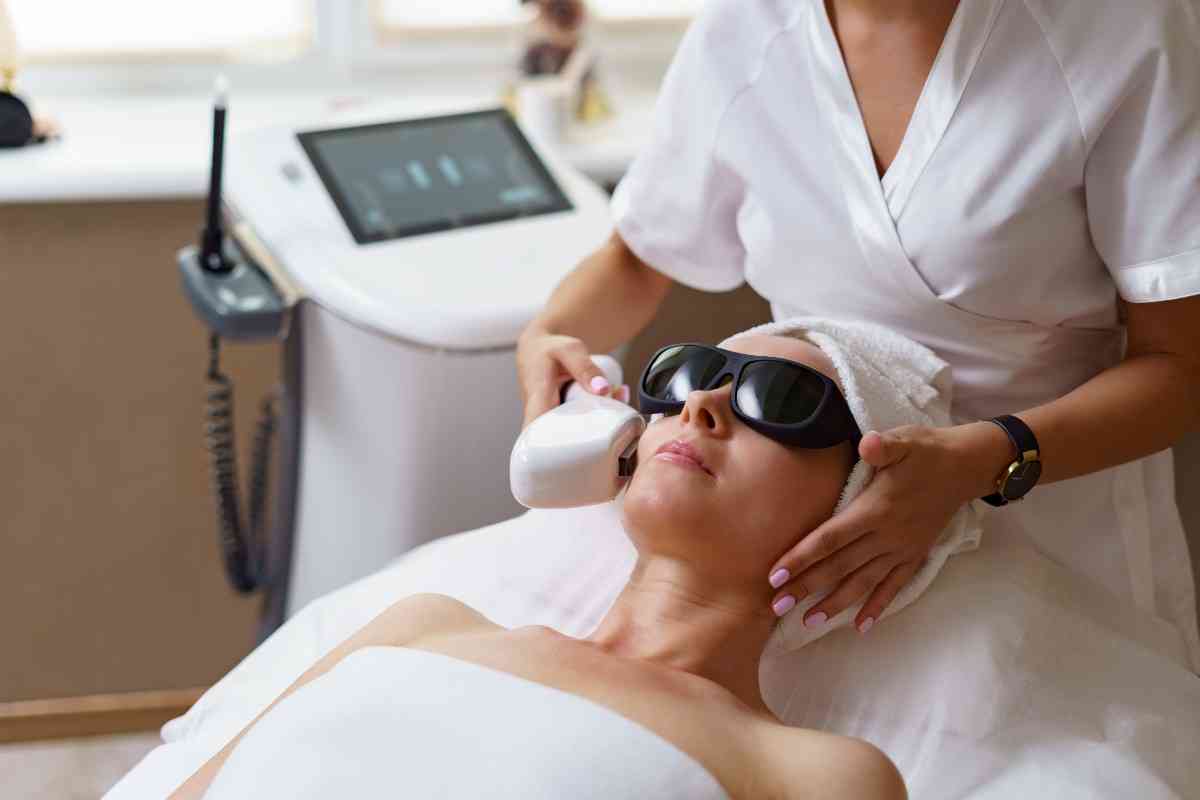
- Q-switched laser toning, which targets the pigment directly
- Gentle erbium lasers, only for rough or velvety skin texture and only after creams, peels, and Q-switch treatments have been tried
When Should You See a Dermatologist?
Visit a skin specialist if the darkness is spreading, hasn't improved with basic care, or comes with other symptoms such as dark patches on the underarms or neck. A proper evaluation helps identify the cause and avoids treatments that could make pigmentation worse.
Key Takeaway
Perioral pigmentation is common, but it is not just "tanning." Identifying the cause, adopting protective habits, correcting deficiencies, and using the right treatments can bring visible improvement.
── Questions, Answered
Frequently Asked Questions
Dark skin around the mouth, known as perioral pigmentation, can be caused by vitamin B12 deficiency, hormonal conditions such as PCOS, thyroid imbalance, or insulin resistance, genetics, smoking, saliva drooling, and chronic inflammation from perioral dermatitis or eczema. Irritating lipsticks, especially matte and long-wear formulas, can also contribute.
It can be. Low vitamin B12 may increase melanin production, often showing up around the mouth and on the knuckles. Since other conditions can look similar, a dermatologist may recommend blood tests for B12, thyroid hormones, blood sugar, and insulin to find the exact cause.
Lifestyle changes help most. Quit smoking, wear sunscreen daily, keep the area moisturized, maintain good oral hygiene, and switch from matte, long-wear lipsticks to a simple lip balm or moisturizing tint. Correcting any underlying deficiency also improves results. Home remedies are not a substitute for proper evaluation, especially if the darkening persists.
Because the skin around the mouth is sensitive, only mild concentrations of ingredients such as kojic acid, arbutin, resorcinol, and glycolic acid are generally considered suitable. Avoid harsh depigmenting products and steroid creams, and use any treatment under your dermatologist's guidance.
If creams do not work, a dermatologist may suggest mild chemical peels or Q-switched laser toning to target the pigment. Gentle erbium lasers may be considered only for rough or velvety skin texture, and only after creams, peels, and Q-switch treatments have been tried.
── Take The First Step
Book a consultation with Dr. Neha Yadav for a personalized evaluation and treatment plan.
Individual results may vary. Book a consultation to discuss what outcomes are realistic for your skin.