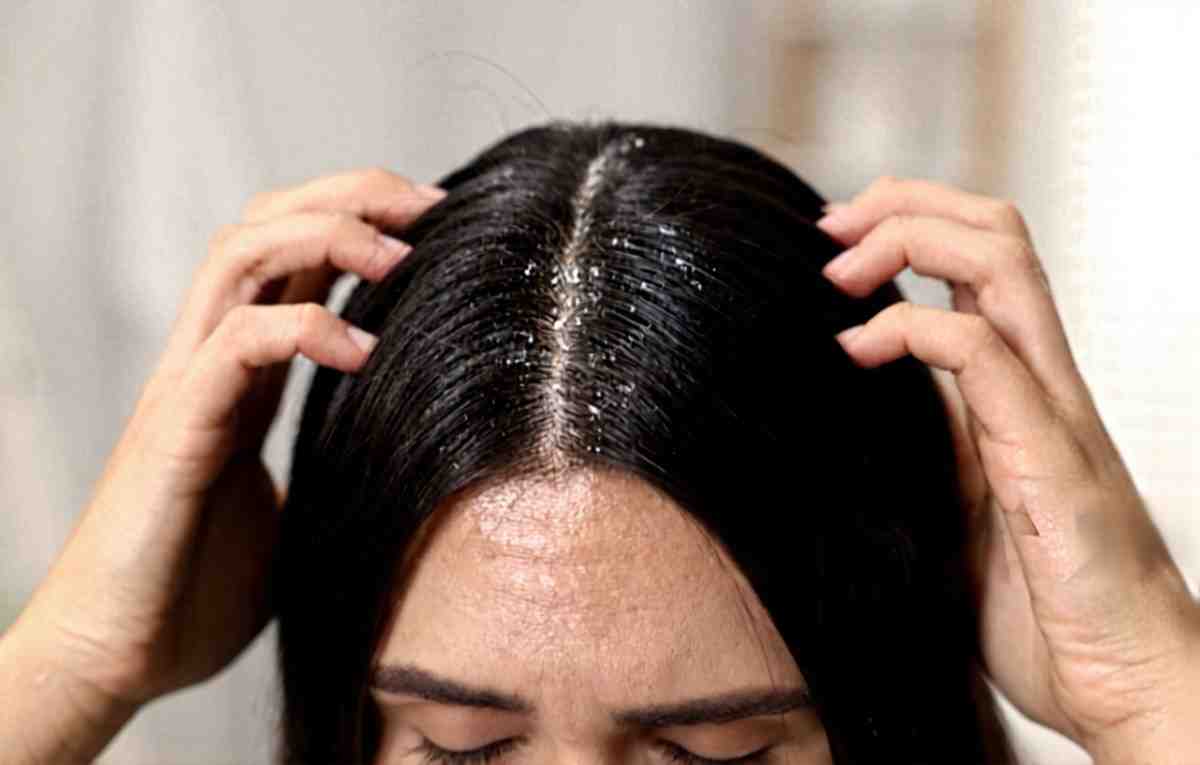
What is Alopecia Areata (बालों का कीड़ा)? Causes, Symptoms, Treatment
Introduction
Alopecia areata (commonly called “बालों का कीड़ा” in Hindi) is a sudden-onset hair-loss condition that can be alarming for patients who notice round, smooth bald patches. Although it can feel like something is “eating” the hair, alopecia areata is not caused by insects, fungi, or bacteria. It is an autoimmune disorder in which the body’s immune system mistakenly targets hair follicles. Early diagnosis and appropriate treatment significantly improve outcomes.
What is Alopecia Areata?
- Definition: Alopecia areata is an autoimmune condition where immune cells attack hair follicle roots, producing localized, well-demarcated hairless patches.
- Important clarification: There is no infectious cause (no insect, fungal, or bacterial infection); the cause is immune dysfunction.
Typical Alopecia Symptoms and Clinical Features:
- Sudden localized hair loss: Patients often notice one or more round or oval smooth bald patches that can appear within a day or a few days.
- Painless and non-inflammatory: Affected areas typically lack swelling, pain, burning, or itch. The skin looks normal aside from hair loss.
- Common discovery scenarios: Patches are often first seen while combing, shampooing, oiling, or during a haircut.
Variants and severity:
- Localized alopecia areata: One or two patches confined largely to the scalp.
- Ophiasis pattern:A band-like hair loss along the occipital scalp (back of the head).
- Sisaipho (ophiasis inverse) or “snake-like” patterns: Hair loss along the temporal or parieto-temporal regions.
- Extensive involvement:Eyebrows, eyelashes, beard, or body hair can be affected.
- Alopecia totalis/universalis:Complete loss of scalp hair (totalis) or all body hair (universalis) in severe cases.

Alopecia Areata Autoimmune Associations & Risk Factors
- Shared autoimmune tendency: Patients with alopecia areata have an increased risk of other autoimmune conditions such as autoimmune thyroid disease, vitiligo, type 1 diabetes, and rheumatoid arthritis.
- Family history: A family history of autoimmune disease raises the likelihood of multiple autoimmune disorders.
- Clinical implication: Presence of alopecia areata may justify screening for other autoimmune conditions (for example, thyroid function tests), particularly when hair loss recurs or is widespread.
Prognosis: Spontaneous Recovery vs. Need for Treatment
- Spontaneous regrowth: Small localized patches often regrow spontaneously; many resolve within 8–10 months without treatment.
- Poor spontaneous recovery predictors: Extensive patterns, rapid progression, or body hair involvement reduce the chance of spontaneous regrowth. These cases usually require active treatment.
Alopecia Areata Treatment Options
Treatment choice depends on extent, severity, progression rate, patient age, and comorbidities. Always undertake treatment under a dermatologist’s supervision.
1. Intralesional corticosteroid injections (first-line for limited disease)
What: Small-dose corticosteroid injected directly into alopecia patches.
Schedule: Typically every 3–4 weeks; often 3–4 sessions are required initially.
Rationale: Suppresses local immune response and promotes hair regrowth.
2. Topical therapies (adjuncts or for milder disease)
- Mild topical corticosteroids: Reduce local inflammation and immune activity.
- Topical calcineurin inhibitors: Non-steroidal immunomodulators useful in sensitive areas (e.g., face).
- Topical minoxidil: Promotes hair growth and can be used alongside other treatments.
- Tincture/experimental topical solutions (e.g., follicular-stimulating preparations): May be used in specific protocols.
3. Systemic therapies (for rapidly progressive or extensive disease) - Short-course oral corticosteroids: Given in tapering regimens to rapidly control inflammation and arrest progression.
- Conventional immunosuppressants/immunomodulators: Methotrexate, cyclosporine — used in severe, chronic, or steroid-sparing scenarios.
- Monitoring and safety: Before and during systemic therapy, obtain baseline blood tests and periodic monitoring. Strict dosing and follow-up are essential. Do not take these medications without prescription and regular medical oversight.
- Duration: Treatment courses can be prolonged — six months, eight months, or even a year — depending on response and tolerance.
4. JAK inhibitors (newer targeted therapy) - Examples: Baricitinib, tofacitinib, ritlecitinib.
- Advantages: These oral Janus kinase inhibitors have shown significant efficacy in many patients and often have a favorable response compared with older systemic agents.
- Considerations: Require appropriate baseline and on-treatment monitoring. Long-term therapy and follow-up are commonly necessary.
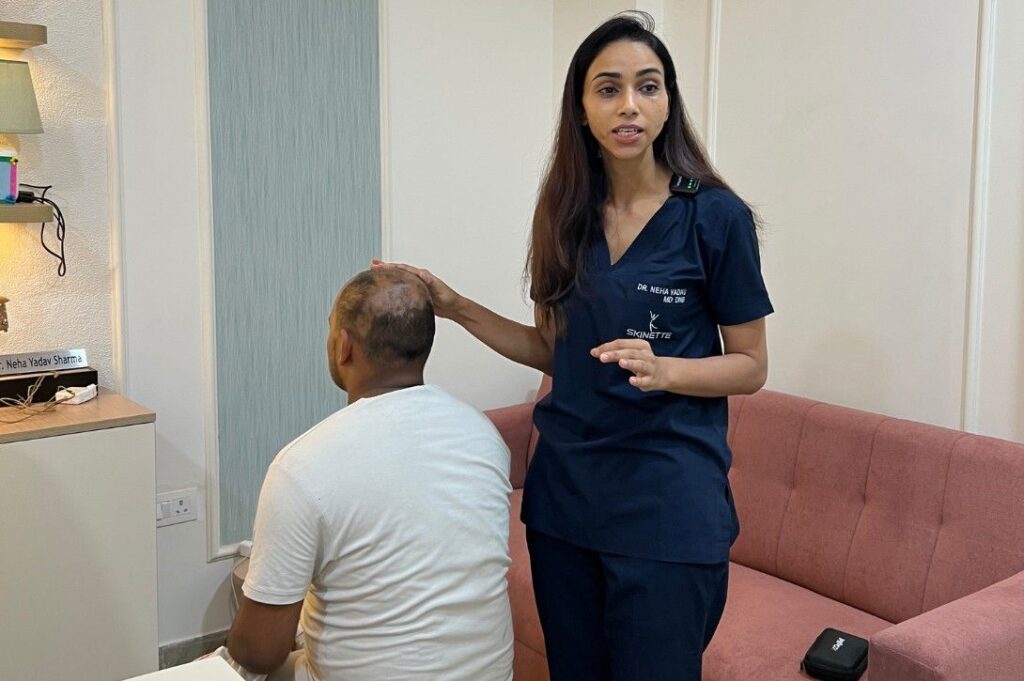
Alopecia Areata General treatment principles.
- Early treatment improves outcomes: The sooner appropriate therapy starts, the better the chance of hair regrowth.
- Individualized plan: Treatment must be tailored to disease severity, patient preferences, comorbidities, and safety considerations.
- Ongoing follow-up: Patients on systemic or long-term therapy need periodic blood work and clinical review.
Prevention and Patient Advice
- There is no guaranteed way to prevent an autoimmune attack, but early recognition and prompt dermatology evaluation minimize hair loss extent and improve treatment response.
- Monitor for other autoimmune symptoms: Report fatigue, weight changes, skin depigmentation, joint pain, or other systemic signs to your physician.
- Avoid unproven home remedies or unsupervised systemic medications.
- Emotional and psychosocial support: Sudden hair loss can be distressing. Seek counseling or support groups if needed.
Expert tip from Dr. Neha Yadav (dermatologist)
- If you notice sudden, well-demarcated bald patches, consult a dermatologist early. Simple, office-based treatments (for example, intralesional corticosteroid injections) can often produce good regrowth when started promptly.
- If there is recurrent or extensive disease, request an autoimmune workup (including thyroid tests) because coexisting autoimmune conditions are common and can be silent.
Conclusion:
Alopecia areata is an autoimmune, non-infectious cause of sudden localized hair loss. While small patches may resolve spontaneously, early diagnosis and appropriate treatment improve outcomes, especially for recurrent or extensive disease. Treatment options range from intralesional and topical therapies to systemic immunomodulators and newer JAK inhibitors. Regular monitoring and collaboration with a dermatologist are essential to achieve the best and safest results.
No. Alopecia areata is not contagious. It is an autoimmune condition and cannot be transmitted from person to person.
Many patients with small, localized patches regrow hair spontaneously within 8–10 months. However, extensive disease or involvement of body hair reduces the chance of spontaneous recovery and may require medical treatment for regrowth.
If hair loss is recurrent, extensive, or accompanied by other symptoms, your dermatologist may recommend blood tests that include thyroid function, glucose levels, and other autoimmune markers based on clinical suspicion.
JAK inhibitors (e.g., baricitinib, tofacitinib, ritlecitinib) are effective for many patients and represent an important therapeutic advance. They require baseline and ongoing blood monitoring and careful discussion of risks and benefits with your dermatologist.
Avoid systemic immunosuppressive medications without a prescription and medical supervision. Home remedies have limited evidence. Topical measures like minoxidil can be used, but for targeted, effective treatment (e.g., intralesional steroids or systemic therapies), consult a dermatologist.